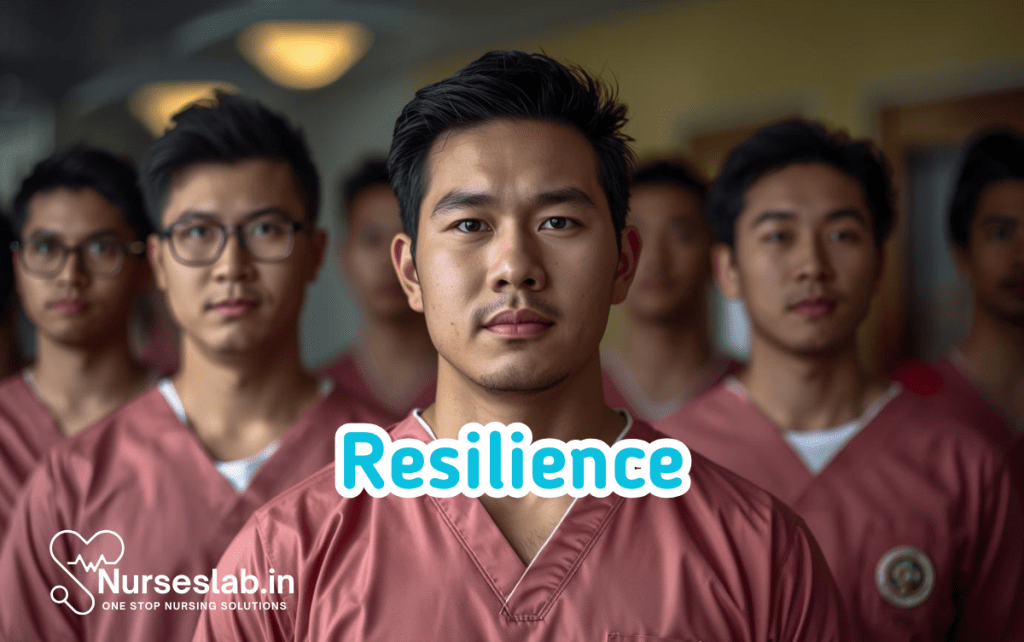
Resilience in psychology is the process of adapting well to life’s challenges, including trauma, loss, and stress. It involves emotional flexibility, coping strategies, and support systems. Building resilience improves mental health, self-efficacy, and recovery outcomes.
Introduction
Nursing is a noble and demanding profession that lies at the heart of healthcare. Nurses are often the first point of contact for patients and their families, offering not only medical care but also emotional support and compassion. However, the nature of nursing exposes professionals to significant stressors—long shifts, emotional encounters, high patient loads, and the constant need to adapt.
These challenges can take a toll on both physical and mental well-being. In such a setting, resilience becomes a critical trait. It empowers nurses to recover from setbacks, maintain their well-being, and continue delivering high-quality care.
Understanding Resilience
Definition of Resilience
Resilience is commonly defined as the ability to adapt positively in the face of adversity, stress, or trauma. For nurses, resilience means the capacity to maintain or regain mental health and professional functioning despite the pressures and demands of the workplace. It is not about avoiding difficulties, but rather about bouncing back, learning, and growing from challenging experiences.
Relevance of Resilience in Healthcare
Resilience is particularly relevant in healthcare due to the high-stress environment. Nurses deal with life-and-death situations, emotional distress from patients and families, and the pressure to make quick decisions. Resilient nurses are better equipped to manage these challenges, prevent burnout, and maintain both personal and professional satisfaction. They contribute to improved patient outcomes, foster a positive work culture, and serve as role models for their peers.
Psychological and Emotional Aspects
Resilience involves several psychological and emotional components. It includes self-awareness, emotional regulation, optimism, and the ability to find meaning in difficult situations. Emotionally resilient nurses can process their feelings, seek support when needed, and maintain a sense of purpose in their work. Psychological resilience helps them stay focused, motivated, and compassionate, even during the most trying times.
Factors Contributing to Resilience
Personal Traits
Certain personal qualities can enhance a nurse’s resilience. These include:
- Optimism: A positive outlook helps nurses see challenges as opportunities for growth.
- Self-efficacy: Confidence in one’s abilities supports problem-solving and adaptability.
- Flexibility: Being open to change and able to adjust to new situations is essential in dynamic healthcare settings.
- Emotional intelligence: Recognising and managing one’s own emotions, as well as understanding others’, is crucial for effective coping.
- Sense of purpose: A clear understanding of why one chose nursing can provide motivation during tough times.
Workplace Environment
The environment in which nurses work plays a significant role in fostering resilience. Supportive workplaces that encourage teamwork, open communication, and professional development help nurses manage stress more effectively. Key factors include:
- Leadership support: Leaders who are empathetic and accessible can boost morale and resilience.
- Team cohesion: Strong relationships among colleagues create a sense of belonging and shared purpose.
- Safe working conditions: Adequate staffing, safety protocols, and access to resources reduce stressors.
- Opportunities for growth: Access to training and career advancement enhances job satisfaction and resilience.
Social Support
Social support is a cornerstone of resilience. Nurses who have robust support systems—both within and outside the workplace—are better able to cope with stress. This includes:
- Peer support: Sharing experiences with colleagues who understand the challenges of nursing can be highly therapeutic.
- Family and friends: Emotional backing from loved ones provides comfort and perspective.
- Mentorship: Guidance from experienced nurses helps in navigating difficult situations and career decisions.
Coping Strategies
Effective coping strategies are vital for building resilience. These may include:
- Problem-focused coping: Tackling issues directly and seeking solutions.
- Emotion-focused coping: Managing emotional responses through relaxation, mindfulness, or talking with others.
- Meaning-focused coping: Finding purpose and learning from adverse experiences.
Nurses who regularly engage in healthy coping strategies are less likely to experience burnout and more likely to thrive in their roles.
Development of Resilience
Stages of Resilience Development
Resilience is not an innate trait; it can be nurtured and developed over time. The process typically involves several stages:
- Awareness: Recognising the need for resilience and understanding personal stressors.
- Learning: Acquiring knowledge about resilience, coping mechanisms, and self-care techniques.
- Application: Putting strategies into practice in daily life and work situations.
- Reflection: Evaluating what works, making adjustments, and learning from experiences.
- Growth: Building on successes and setbacks to enhance resilience further.
Theoretical Models of Resilience
Several theories help explain how resilience develops. Some of the prominent models include:
- The Resilience Theory: Suggests that resilience is a dynamic process influenced by individual, familial, and environmental factors.
- The Transactional Model of Stress and Coping: Proposes that resilience arises from the interaction between an individual and their environment, particularly in how they appraise and respond to stressors.
- The ABC-X Model: Focuses on the balance between stressors, resources, and perception in determining outcomes, highlighting the importance of available support systems.
Understanding these models can help nurses and educators design interventions that foster resilience at both individual and organisational levels.
Role of Education and Training
Education and training are critical in developing resilience. Nursing curricula increasingly include modules on stress management, emotional intelligence, and coping strategies. Workshops, seminars, and simulation exercises provide practical opportunities to build resilience skills. Continuing education ensures that nurses remain updated on best practices and are prepared to handle new challenges as the healthcare landscape evolves.
Core Components of Psychological Resilience
Resilience can be understood through several integral elements:
- Recovery: Returning to normal functioning after stress or trauma.
- Resistance: Maintaining emotional stability and well-being in the face of ongoing stressors.
- Reconfiguration: Adapting to new realities, learning from difficulties, and finding new routes to stability.
The American Psychological Association highlights four pillars that support resilience:
- Connection: Building strong, supportive social relationships.
- Wellness: Practicing self-care through sleep, nutrition, exercise, and mindfulness.
- Healthy thinking: Reframing negatives, problem-solving, and emotional regulation.
- Meaning: Finding purpose and learning from adversity.
Factors that Contribute to Resilience
Resilience is shaped by a combination of internal and external factors:
- Optimism and positive outlook
- Social support from family, friends, or community
- Coping and problem-solving skills
- Self-esteem and confidence in abilities
- Emotional regulation and flexibility
- Access to resources and opportunities
Tips to Develop Resilience
Self-Care Strategies
Self-care is the foundation of resilience. Nurses often put the needs of their patients before their own, but maintaining personal well-being is essential for long-term effectiveness. Key self-care strategies include:
- Physical health: Regular exercise, balanced nutrition, and sufficient sleep help maintain energy and reduce stress.
- Rest and relaxation: Taking breaks, engaging in hobbies, and spending time with loved ones recharge the mind and body.
- Setting boundaries: Learning to say no and managing workloads to prevent overcommitment.
Mindfulness and Emotional Regulation
Mindfulness involves paying attention to the present moment without judgement. Practising mindfulness can reduce anxiety, enhance focus, and improve emotional regulation. Techniques include:
- Deep breathing exercises: Simple breathing techniques can calm the mind and body during stressful times.
- Meditation: Regular meditation helps develop awareness and emotional control.
- Reflective journaling: Writing about experiences and emotions aids in processing and understanding them.
Incorporating mindfulness into daily routines can help nurses remain centred and resilient, even in high-pressure environments.
Peer Support and Teamwork
Strong relationships with colleagues foster a sense of belonging and mutual support. Nurses can build resilience by:
- Participating in team huddles: Regular meetings to discuss challenges and solutions.
- Seeking mentorship: Learning from experienced nurses who can provide guidance and encouragement.
- Engaging in peer support groups: Sharing experiences and coping strategies with others facing similar challenges.
Collaboration and open communication within teams enhance collective resilience and job satisfaction.
Continuing Education and Professional Development
Learning should be a lifelong pursuit. Attending workshops, pursuing advanced certifications, and staying abreast of the latest research empower nurses to handle new challenges with confidence. Educational opportunities also provide platforms for networking and sharing experiences, further strengthening resilience.
Stress Management Techniques
Managing stress effectively is critical for resilience. Practical techniques include:
- Time management: Prioritising tasks and delegating when necessary to avoid feeling overwhelmed.
- Relaxation techniques: Yoga, progressive muscle relaxation, or listening to music can help reduce tension.
- Seeking professional help: Consulting counsellors or mental health professionals when stress becomes unmanageable.
By proactively managing stress, nurses can maintain their well-being and continue to provide high-quality care.
Case Studies and Real-Life Examples
Stories of Resilient Nurses
Real-life examples can inspire and provide practical insights into building resilience. Consider the following scenarios:
- Case 1: A nurse working in an intensive care unit faced repeated exposure to traumatic events. Through regular debriefings, mindfulness practices, and strong peer support, she was able to process her emotions and continue providing compassionate care.
- Case 2: A new graduate nurse struggled with self-doubt and anxiety. By seeking mentorship, participating in professional development workshops, and maintaining a healthy work-life balance, he gradually built confidence and resilience.
- Case 3: During the COVID-19 pandemic, many nurses faced unprecedented stress. Those who engaged in self-care, sought support from colleagues, and utilised available resources were better able to cope with the demands and maintain their well-being.
Lessons Learned
These case studies highlight several key lessons:
- Resilience is a journey, not a destination. It develops over time through intentional practice.
- Support systems—both personal and professional—are vital for sustaining resilience.
- Self-care and stress management are not luxuries but necessities for long-term success in nursing.
- Learning from setbacks and seeking help when needed are signs of strength, not weakness.
Challenges in Building Resilience
Barriers to Resilience
Despite its importance, building resilience is not always straightforward. Common barriers include:
- Workplace culture: Unsupportive or toxic environments can undermine efforts to build resilience.
- Stigma: Misconceptions about mental health may discourage nurses from seeking help.
- Lack of resources: Limited access to training, support, or counselling can hinder resilience development.
- Personal beliefs: Some nurses may feel they must be strong at all times, making it difficult to acknowledge vulnerabilities.
Common Pitfalls
Nurses may also encounter pitfalls such as:
- Neglecting self-care in favour of patient care.
- Ignoring signs of burnout or compassion fatigue.
- Isolating themselves rather than seeking support.
- Relying solely on individual efforts without utilising available organisational resources.
Awareness of these pitfalls can help nurses take proactive steps to avoid them.
Overcoming Obstacles
Overcoming barriers to resilience requires a multi-faceted approach:
- Advocating for supportive workplace policies and access to mental health resources.
- Educating staff and leadership about the importance of resilience and mental well-being.
- Encouraging open dialogue about stress and coping strategies.
- Building a culture of compassion and support within nursing teams.
By addressing these challenges, both individuals and organisations can create an environment where resilience flourishes.
Conclusion
Resilience is a vital quality for nurses, enabling them to navigate the complexities and demands of their profession with strength and compassion. It is shaped by personal traits, supported by the workplace environment, and sustained through ongoing education and self-care. By understanding the factors that contribute to resilience, actively developing it, and utilising practical strategies, nurses can not only survive but thrive in their careers. As the healthcare landscape continues to evolve, resilience remains an essential tool for ensuring both personal well-being and the highest standards of patient care.
Nurses are encouraged to prioritise their own well-being, seek support when needed, and commit to lifelong learning. Numerous resources, such as professional associations, counselling services, and educational programmes, are available to support resilience development. By investing in resilience, nurses invest in themselves, their patients, and the future of healthcare.
REFERENCES
- R. Sreevani, Applied Psychology for Nurses, 5th Edition, 2024, Jaypee Publishers, ISBN: 978-9356966963.
- Xavier Belsiyal, Applied Psychology for Nurses, 1st Edition, July 15, 2023, Elsevier Publishers, ISBN: 978-8131266366
- Mary F Porter, Applied Psychology for Nurses, 27 October 2022, Legare Street Press, IBSN: 978-1015804302.
- Douglas A. Bernstein, Introduction to Clinical Psychology, 10th Edition, 31 October 2024, Cambridge University Press, ISBN: 978- 1009379298.
- Sailaxmi Gandhi, Basic and Applied Psychology for Nurses, First Edition, January 2023, Wolters Kluwer Publications, ISBN: 978-9395736534.
- Jacob Anthikad, Psychology for Graduate Nurses, 5th Edition, 30 January 2014, Jaypee Publishers, ISBN: 978-9351521549.
- Kumar, Rajesh. (2017). Basic Psychology for Nurses. https://www.researchgate.net/publication/337811601_Basic_Psychology_for_Nurses
Stories are the threads that bind us; through them, we understand each other, grow, and heal.
JOHN NOORD
Connect with “Nurses Lab Editorial Team”
I hope you found this information helpful. Do you have any questions or comments? Kindly write in comments section. Subscribe the Blog with your email so you can stay updated on upcoming events and the latest articles.