


Last Updated on January 16, 2026 by Nurseslab.in Editorial Team
Explore diversity and uniformity in culture: diversity celebrates differences in language, beliefs, and customs, enriching global perspectives. Uniformity emphasizes shared norms and values that support social cohesion. Together, they influence identity, interaction, and cultural evolution across societies.
Introduction
Culture is the intricate weave of beliefs, practices, values, customs, languages, and artefacts that define a particular group or society. It is the collective consciousness of a people, handed down from generation to generation, shaping their worldview and guiding their interactions. Culture is both visible and invisible, manifesting in everyday behaviours, traditions, festivities, art, and even the ways communities resolve conflicts. The world is a mosaic of diverse cultures, each contributing to the rich tapestry of human civilisation. At the same time, there exist elements of uniformity that bind disparate groups together through shared human experiences and values.
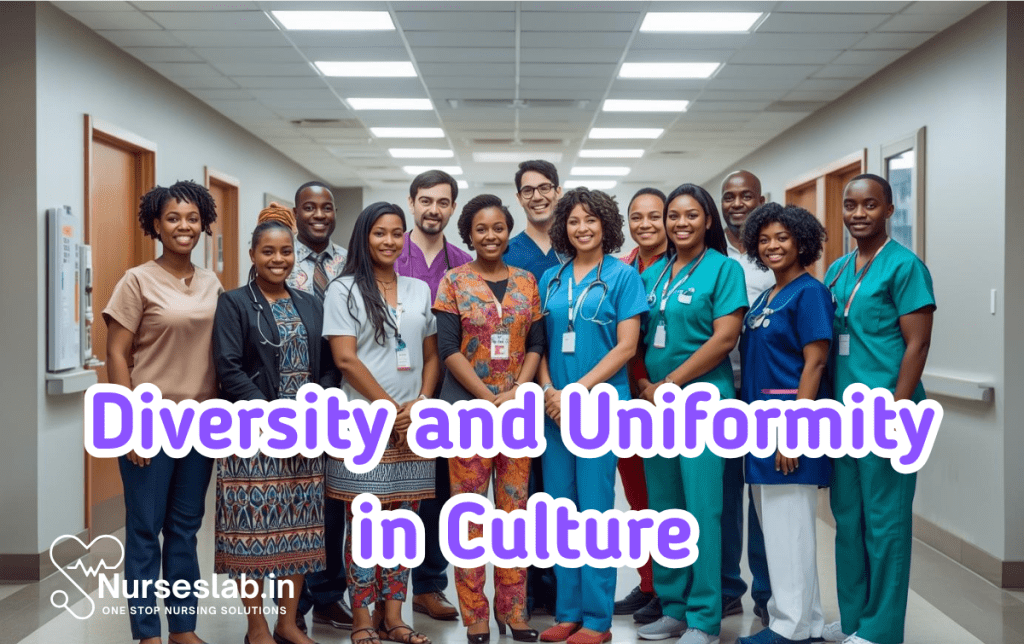
Understanding Culture: Definition and Characteristics
Culture encompasses the social behaviours, norms, knowledge, beliefs, arts, laws, customs, capabilities, and habits acquired by individuals as members of a society. It is dynamic and evolves with time, shaped by both internal developments and external influences. Some characteristics of culture include:
- Learned Behaviour: Culture is not inherited biologically but acquired through socialisation and education.
- Symbolic: Culture is expressed through symbols, language, rituals, and artefacts that carry specific meanings.
- Shared: Culture is a collective phenomenon, shared by members of a group or community.
- Dynamic: Culture is not static; it adapts and transforms in response to changing circumstances.
- Integrated: Cultural components are interrelated, forming an integrated whole.
- Transgenerational: Culture is passed down from one generation to another, ensuring continuity.
Cultural Diversity: Meaning and Manifestations
Cultural diversity refers to the existence of a variety of cultural or ethnic groups within a society. It is the presence of different languages, religions, traditions, customs, cuisines, art forms, and social values. Diversity is observable at every level – from families and communities to nations and the global stage.
India serves as a prime example of cultural diversity, with its multitude of languages, religions, festivals, cuisines, and art forms. The diversity in culture is also evident globally, with each country and region contributing unique elements to the world’s cultural heritage.
Manifestations of Cultural Diversity
- Linguistic Diversity: The existence of numerous languages and dialects. For instance, India has 22 officially recognised languages and hundreds of dialects.
- Religious Diversity: The presence of various religions and faiths, such as Hinduism, Islam, Christianity, Sikhism, Buddhism, and Jainism in India.
- Ethnic and Racial Diversity: Differences based on ethnicity and race, often reflected in physical appearance, traditions, and social structures.
- Culinary Diversity: Varied food habits, cooking styles, and cuisines, like the distinction between North Indian and South Indian food.
- Artistic Diversity: Multiple forms of music, dance, painting, sculpture, and literature, such as Bharatanatyam from Tamil Nadu and Kathak from North India.
- Attire and Fashion: Different styles of clothing, accessories, and textiles, for example, sarees in Bengal and phirans in Kashmir.
- Social Practices and Rituals: Unique ways of celebrating festivals, marriages, and other life events.
Uniformity in Culture: Common Threads Across Societies
While diversity is a defining feature of human culture, there are also elements of uniformity that transcend boundaries. Uniformity in culture refers to the similarities in basic human values, needs, and social structures that are found across different societies. These commonalities arise from the universal aspects of human existence and the necessity to address similar challenges.
Examples of Uniformity in Culture
- Social Institutions: Most societies have institutions like family, marriage, government, and religion, though their forms may differ.
- Language: Every society has developed a system of communication, though the language itself may vary.
- Rites of Passage: Rituals surrounding birth, marriage, and death are common across cultures, even if the specific practices differ.
- Art and Expression: Every culture has developed artistic forms such as music, dance, and painting.
- Moral Values: Concepts like honesty, respect for elders, and compassion are valued universally, though their expression may differ.
Importance of Cultural Diversity
Cultural diversity is not just a descriptive fact but a valuable resource that strengthens societies. Its importance can be understood in several dimensions:
1. Enrichment of Human Experience
Cultural diversity allows people to experience a broader range of ideas, art forms, philosophies, cuisines, and traditions. Exposure to diversity enriches individual and collective lives, fostering creativity and broad-mindedness.
2. Promotion of Tolerance and Understanding
When individuals are exposed to different cultures, they learn to appreciate differences and develop empathy. This reduces prejudices and stereotypes, promoting peaceful coexistence and mutual respect.
3. Social Cohesion and Harmony
Diverse societies that recognise and respect cultural differences are better equipped to maintain social harmony. The Indian concept of “unity in diversity” exemplifies how a pluralistic society can remain cohesive by celebrating differences.
4. Economic Growth and Innovation
Diverse workplaces and societies encourage the exchange of varied ideas, leading to greater innovation and problem-solving. Different cultural perspectives can drive creativity in art, science, technology, and business.
5. Preservation of Heritage and Identity
Cultural diversity ensures the survival of multiple heritages, languages, and traditions. It helps communities maintain their unique identities and pass on their legacy to future generations.
6. Global Interconnectedness
In an increasingly globalised world, cultural diversity facilitates international cooperation and understanding. It fosters a sense of global citizenship, where people appreciate not only their own culture but also those of others.
7. Resilience and Adaptability
Diverse cultures bring with them a variety of approaches to challenges. This diversity of thought and practice makes societies more resilient and adaptable in the face of change.
Challenges to Cultural Diversity
Despite its benefits, cultural diversity is often under threat due to globalisation, migration, and homogenising influences of mass media. Some of the challenges include:
- Loss of Indigenous Languages: Many local languages are endangered as dominant languages spread globally.
- Cultural Homogenisation: Global media and consumer culture can erode traditional cultural expressions, creating a more uniform global culture.
- Discrimination and Prejudice: Cultural differences can sometimes lead to misunderstandings, xenophobia, or conflict.
- Assimilation Pressures: Minority groups may feel pressured to conform to majority cultures, risking the loss of their unique identities.
Promoting and Protecting Cultural Diversity
Given the importance of cultural diversity, it is crucial to promote and protect it through various means:
- Education: Schools and universities should teach about different cultures, histories, and languages to foster appreciation and respect.
- Legislation: Laws must protect minority rights, prevent discrimination, and support the preservation of cultural heritage.
- Cultural Exchange: Programmes that encourage interaction between different cultural groups, such as student exchanges, art festivals, and international collaborations, help build bridges.
- Media Representation: Diverse cultures should be fairly represented in media to promote inclusivity and challenge stereotypes.
- Supporting Indigenous Communities: Special efforts must be made to preserve the traditions, languages, and rights of indigenous peoples.
Difference Between Culture and Civilization
The terms “culture” and “civilization” are often used interchangeably, but they have distinct meanings. Understanding the difference is essential for appreciating the nuances of human societies.
Definition of Culture
As discussed earlier, culture refers to the totality of learned behaviours, beliefs, values, customs, and artefacts that characterise a group or society. It encompasses both material aspects (such as tools, clothing, art) and non-material aspects (such as language, religion, values).
Definition of Civilization
Civilization refers to a complex human society characterised by the development of urban centres, social stratification, forms of government, economic systems, technological advancements, and written communication. It is a stage of social development that is considered advanced in terms of organisation and achievements.
Key Differences Between Culture and Civilization
| Aspect | Culture | Civilization |
| Definition | Sum total of beliefs, values, customs, and traditions of a society | Advanced stage of human social development marked by cities, governance, and technology |
| Nature | Internal, qualitative, spiritual | External, quantitative, material |
| Components | Language, art, religion, customs | Urbanisation, administration, technology, infrastructure |
| Scope | Can exist without civilization | Cannot exist without culture |
| Continuity | Passed down through generations, enduring | Can rise and fall, subject to change |
| Examples | Vedic culture, Dravidian culture | Indus Valley Civilization, Egyptian Civilization |
Illustrative Examples
- Culture: The Indian tradition of touching elders’ feet as a mark of respect is a cultural practice. It is a reflection of values and beliefs.
- Civilization: The construction of the Great Bath in Mohenjo-Daro is an example of the technological and organisational advancement of the Indus Valley Civilization.
Interrelationship Between Culture and Civilization
Though distinct, culture and civilization are deeply interconnected. Civilization provides the material framework – cities, governance, technology – in which culture can flourish. Culture, in turn, gives meaning, values, and identity to civilization. A civilization without culture is hollow, and culture without the organisational structures of civilization may struggle to endure in the long term.
Indian Perspective: Unity in Diversity
India is a land of unparalleled diversity, often described as a “melting pot” of cultures, languages, and religions. Despite these differences, the country has maintained unity through shared values and a sense of belonging. The Indian Constitution recognises and protects this diversity by guaranteeing cultural and educational rights to minorities, promoting official languages, and upholding secularism.
Festivals like Diwali, Eid, Christmas, and Baisakhi are celebrated across regions with unique local flavours, yet they bring people together in the spirit of joy and togetherness. The Indian ethos of Vasudhaiva Kutumbakam – “the world is one family” – exemplifies the ideal of unity in diversity.
Global Perspective: Cultural Diversity in the Modern World
Globalisation has made the world more interconnected, leading to greater cultural exchange and hybridisation. While this has enriched societies, it also poses challenges to preserving unique cultural identities. International organisations such as UNESCO emphasise the need to safeguard intangible cultural heritage and promote intercultural dialogue.
Multicultural societies like the United States, United Kingdom, Singapore, and Canada have adopted policies of inclusion and pluralism, recognising that cultural diversity is a strength rather than a weakness.
Conclusion
Diversity and uniformity in culture are two sides of the same coin; one provides richness and variety, while the other ensures cohesion and continuity. Cultural diversity is an invaluable asset that must be cherished, promoted, and protected. It enhances our understanding of humanity, fuels progress, and upholds the dignity of every individual and community. Recognising the distinction between culture and civilization allows us to appreciate the depth of our heritage and the complexity of human societies. As the world becomes increasingly globalised, it is imperative to celebrate our differences while nurturing the shared bonds that unite us as human beings.
REFERENCES
- R Sreevani, Applied Sociology for Nurses, 2nd Edition, 2023, Jaypee Publishers, ISBN: 978-9356962866.
- I. Clement, Sociology for Nurses, 3rd Edition, 2023, Pearson Publishers, ISBN: 978-9357053273.
- Denny, Earle, Hewison, Sociology for Nurses, 3rd Edition, 2016, Wiley Publishers, ISBN: 978-1509505401.
- Hannah Cooke, Sociological Approaches to Health, Healthcare and Nursing, 1st Edition, September 9, 2024, ISBN: 978-0702083143.
- Jacob Anthikad, Sociology for Graduate Nurses, 2nd Edition, 2014, Jaypee Publishers, ISBN: 978-9351520085.
- Tubergen, Frank. March 2020. Introduction to Sociology. ISBN: 978-1351134958. https://www.researchgate.net/publication/339505825_Introduction_to_Sociology
Stories are the threads that bind us; through them, we understand each other, grow, and heal.
JOHN NOORD
Connect with “Nurses Lab Editorial Team”
I hope you found this information helpful. Do you have any questions or comments? Kindly write in comments section. Subscribe the Blog with your email so you can stay updated on upcoming events and the latest articles.


