


Last Updated on January 15, 2026 by Nurseslab.in Editorial Team
Diabetic neuropathy is a type of nerve damage caused by diabetes mellitus (DM). Its development correlates with the duration of DM and the patient’s adherence to lifestyle modifications and therapeutic modalities to control their serum glucose levels.
Chronically high blood glucose levels lead to cellular damage and inflammation. This damage attracts macrophages to the area, further promoting inflammation and causing nerve fiber damage. Distal sensory and autonomic fiber damage may progress until there is a gradual loss of sensation in the skin and tissues.
Peripheral neuropathy is very common in patients with diabetes. The peripheral nerves are affected, with complaints of burning, tingling, and numbness, often affecting the lower legs and feet.
Autonomic neuropathy damages internal organs such as the heart, digestive system, sexual organs, and sweat glands. Patients may experience changes in bowel habits, sexual dysfunction, nausea and vomiting, and low blood pressure.
Focal neuropathy affects one nerve at a time, most often in the hand, chest, or leg. Entrapped nerves, such as with carpal tunnel syndrome, are the most common focal neuropathy.
Nursing Process
Nursing considerations for patients with diabetic neuropathy include risk for injury, infection, and pain. Nurses should conduct routine assessments of the extremities for signs of infection, injury, or ulceration. Patients with diabetic neuropathy have a higher risk for injury due to the lack of protective sensation and risk for infection due to reduced wound healing ability. Nurses can help patients prevent complications with frequent education on meticulous foot care, medication adherence, diet, and lifestyle modifications.
Nursing Assessment
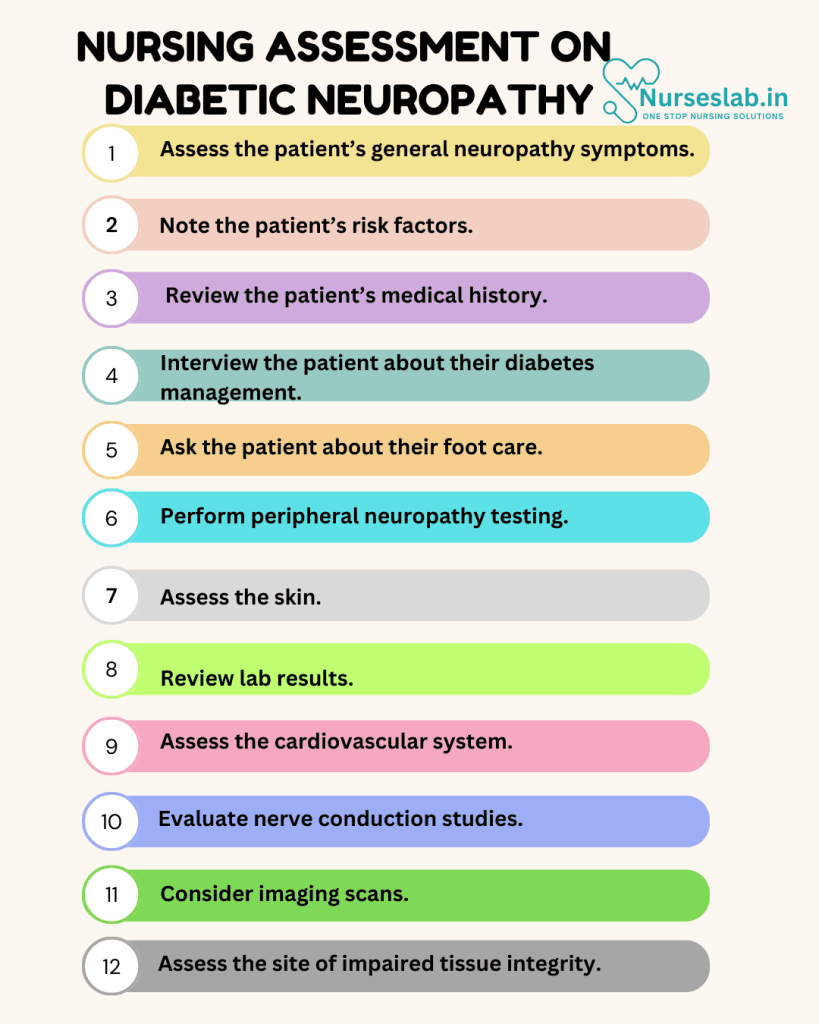
The first step of nursing care is the nursing assessment, during which the nurse will gather physical, psychosocial, emotional, and diagnostic data. In this section, we will cover subjective and objective data related to diabetic neuropathy.
Patient History
Obtaining a detailed patient history is the first step. This includes:
- Duration of Diabetes: Documenting the length of time the patient has had diabetes.
- Blood Sugar Control: Assessing the patient’s history of blood sugar levels and management strategies.
- Symptoms: Recording the onset, duration, and progression of neuropathic symptoms such as pain, tingling, or numbness.
- Medication: Reviewing current medications, including those specifically for diabetes and any pain management drugs.
- Lifestyle Factors: Evaluating dietary habits, physical activity levels, smoking, and alcohol consumption.
- Family History: Checking for any family history of diabetes or neuropathy.
Physical Examination
A thorough physical examination should focus on:
- Neurological Assessment: Testing for sensation, including light touch, pain, temperature, and vibration using tools like monofilaments and tuning forks.
- Motor Function: Assessing muscle strength and reflexes to identify any weakness or atrophy.
- Foot Examination: Inspecting the feet for ulcers, calluses, infections, or deformities that may result from reduced sensation.
- Autonomic Function: Checking for autonomic symptoms such as changes in sweating patterns, blood pressure, and heart rate variability.
Diagnostic Tests
Various diagnostic tests can aid in evaluating the extent of neuropathy:
- Electromyography (EMG) and Nerve Conduction Studies: Measuring electrical activity in muscles and the speed of nerve signals to detect nerve damage.
- Blood Tests: Monitoring HbA1c levels to assess long-term blood sugar control, along with tests for kidney function, vitamin levels, and other potential contributing factors.
- Skin Biopsy: Occasionally performed to examine nerve fibers in the skin and diagnose small fiber neuropathy.
Interdisciplinary Collaboration
Managing diabetic neuropathy effectively requires a multidisciplinary approach, involving collaboration with:
- Endocrinologists: Specialize in diabetes management and can provide expert guidance on blood sugar control.
- Podiatrists: Focus on foot care and can help prevent and treat ulcers and other foot complications.
- Neurologists: Offer expertise in diagnosing and managing nerve disorders.
- Physical Therapists: Develop exercise programs to maintain mobility and manage pain.
- Occupational Therapists: Assist patients in adapting to changes in sensation and function, promoting independence in daily activities.
- Pharmacists: Provide advice on medications, including pain management and potential drug interactions.
- Dietitians: Offer nutritional guidance to support overall health and blood sugar control.
- Social Workers: Help patients access resources and support services, addressing any psychosocial issues.
- Wound Care Specialists: Manage and treat any skin ulcers or wounds that may result from neuropathy.
Management Strategies
Based on the assessment, the following management strategies can be implemented:
- Blood Sugar Control: Maintaining optimal blood sugar levels is the most critical factor in managing diabetic neuropathy.
- Pain Management: Using medications such as anticonvulsants, antidepressants, or topical treatments to manage neuropathic pain.
- Foot Care: Educating patients on daily foot inspections, proper footwear, and regular podiatric visits to prevent complications.
- Lifestyle Modifications: Encouraging healthy dietary habits, regular physical activity, smoking cessation, and limited alcohol consumption.
- Physical and Occupational Therapy: Facilitating exercises and activities that improve strength, balance, and coordination.
Nursing Interventions
Nursing interventions and care are essential for the patients recovery. In the following section, you will learn more about possible nursing interventions for a patient with diabetic neuropathy.
1. Diagnose early.
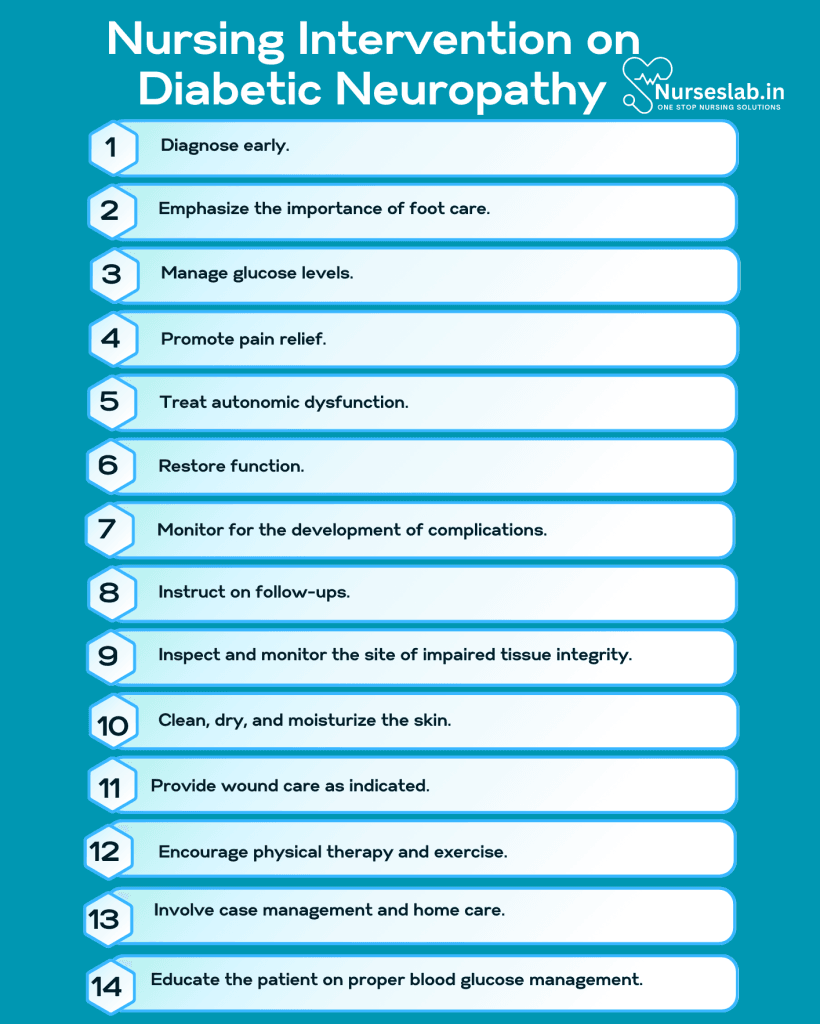
Since neuropathy is the most common complication of diabetes, it is vital to assess and manage it as soon as diabetes is diagnosed. Misdiagnosing or not effectively treating diabetic neuropathy can have severe complications, such as amputation and paralysis.
2. Emphasize the importance of foot care.
Provide foot care education and treatment. Institute measures to prevent the risk of foot ulcers, such as always wearing socks or footwear and performing daily self-inspections of the feet. Refer the patient to a podiatrist for annual comprehensive foot exams.
3. Manage glucose levels.
Strict glycemic control is crucial to preventing and managing diabetic neuropathy. Fluctuations in blood glucose levels from hypoglycemia and hyperglycemia can cause and exacerbate neuropathic pain. With improved glucose control, progression may be slowed.
4. Promote pain relief.
In relieving diabetic neuropathic pain, treatment is recommended in first, second, and third-line options in the categories of conservative, pharmacologic, and interventional therapies.
Conservative Therapy
- First-line therapy: Physical therapy
- Weight-bearing exercises
- Tai chi
- Massage therapy
- Second-line therapy: Health management
- Glucose control
- Management of comorbid conditions
- Healthy diet
- Weight loss
- Third-line therapy: Minimally invasive treatment
- Acupuncture
- Transcutaneous electrical nerve stimulation (TENS)
Pharmacological Therapy
- First-line agents:
- Gabapentinoids (pregabalin and gabapentin)
- Duloxetine
- Second-line agents:
- SSRIs and SNRIs (sertraline, venlafaxine)
- Tricyclic antidepressants (amitriptyline)
- Topical capsaicin
- Transdermal lidocaine
- Third and Fourth-line agents:
- Tramadol
- Dextromethorphan
- Morphine
- Oxycodone
Interventional Therapy
- First-line therapy: Dorsal column spinal cord stimulation
- Commonly 10 kHz
- Tonic waveforms
- Second-line therapy: Additional neuromodulation options
- Burst spinal cord stimulation
- Dorsal root ganglion spinal cord stimulation
- Peripheral nerve stimulation
- Third-line therapy: Intrathecal drug delivery system
- Intrathecal opioids: morphine, fentanyl, or hydromorphone
- Intrathecal ziconotide
5. Treat autonomic dysfunction.
Autonomic dysfunction results in an array of complications and symptoms. Common complaints include:
- Erectile dysfunction which may be treated with sildenafil and phosphodiesterase type 5 (PDE5) inhibitors.
- Orthostatic hypotension is treated by increasing fluid and salt intake, using compression stockings, or taking medication if needed.
- Gustatory sweating treated with glycopyrrolate.
6. Restore function.
Refer the patient for rehabilitation. Physical therapy and exercise may help manage the disease and reduce tingling and pain in the lower extremities. Occupational therapy involves home modifications and adaptive equipment.
7. Monitor for the development of complications.
Peripheral neuropathy can lead to ulcerations and infection, resulting in amputation. Educate the patient to monitor for signs of infection such as draining wounds, erythema, or fever.
8. Instruct on follow-ups.
Emphasize the need for long-term monitoring. Adherence to the treatment plan can prevent the development of neuropathies and its complications. Remind the patient about their follow-up consultations with specialists, such as:
- Endocrinologists
- Neurologists
- Vascular surgeons
- Cardiologists
- Podiatrists
- Gastroenterologists
Nursing Care Plans
Once the nurse identifies nursing diagnoses for diabetic neuropathy, nursing care plans help prioritize assessments and interventions for both short and long-term goals of care. In the following section, you will find nursing care plan examples for diabetic neuropathy.
Impaired Tissue Integrity
Nerve damage caused by chronically high glucose levels will initially cause numbness and pain and progress to the loss of sensation. When sensation is lost, the patient is at an increased risk of injury and impaired tissue integrity.
Nursing Diagnosis: Impaired Tissue Integrity
Related to:
- Disease process
- Obesity
- Malnutrition
- Insufficient knowledge about maintaining tissue integrity
As evidenced by:
- Pain
- Delayed wound healing
- Tissue damage
- Numbness
- Swelling
- Erythema
Expected outcomes:
- Patient will report altered sensation or increased pain in the area of tissue impairment.
- Patient will verbalize an understanding of the treatment plan to heal the tissue injury and prevent infection.
- Patient will demonstrate a decrease in wound size and the presence of granulation tissue.
Assessment:
1. Assess the site of impaired tissue integrity.
Characteristics including redness, pain, burning, swelling, and itching are indications of inflammation, a typical response to compromised tissue integrity.
2. Determine the size, depth, and characteristics of the wound.
Routine and meticulous assessment of the wound, including length, width, and depth, is essential to determine changes over time and the effectiveness of the treatment regimen.
3. Monitor for alterations in sensation.
Patients with diabetic neuropathy often experience reduced sensation in the extremities, which puts them at risk for tissue damage. Assess for alterations in sensation through the patient’s ability to discern between soft, sharp, or cold sensations.
Interventions:
1. Inspect and monitor the site of impaired tissue integrity.
Instruct the patient to inspect their feet and lower legs daily. They may utilize a mirror for difficult-to-see areas or ask a family member to assist. Color changes, swelling, redness, warmth, and other signs of infection must be reported.
2. Clean, dry, and moisturize the skin.
Keeping the skin clean, dry, and moisturized helps improve the skin barrier, aids tissue repair, and maintains skin integrity.
3. Provide wound care as indicated.
Proper wound care will help promote tissue integrity and healing. Wound healing may be difficult due to the diabetic disease process and may require outpatient wound care support or treatments such as hyperbaric oxygen therapy.
4. Encourage physical therapy and exercise.
Physical therapists can advise on appropriate exercise regimens to maintain mobility and strength. Even low-intensity aerobic exercise has been shown to improve sensations in the feet and reduce pain.
5. Involve case management and home care.
Wound healing may take weeks to months. Educate the patient and family on proper wound care, dressing changes, and follow-up appointments, and involve other disciplines as necessary.
Ineffective Peripheral Tissue Perfusion
Diabetic neuropathy is a microvascular complication of diabetes that causes ineffective tissue perfusion that may progress to necrosis and amputation if untreated.
Nursing Diagnosis: Ineffective Peripheral Tissue Perfusion
Related to:
- Disease process
- Sedentary lifestyle
- Impaired circulation
- Smoking
As evidenced by:
- Absent or decreased peripheral pulses
- Numbness
- Altered motor function
- Delayed peripheral wound healing
- Paresthesia
- Extremity pain
Expected outcomes:
- Patient will exhibit adequate tissue perfusion as evidenced by palpable pulses and warm and dry skin.
- Patient will demonstrate interventions to improve tissue perfusion and prevent further complications of diabetic neuropathy.
Assessment:
1. Assess for any signs of decreased tissue perfusion.
Diabetic neuropathy typically affects the extremities, and signs and symptoms of decreased peripheral tissue perfusion include skin color changes, pain, absent or diminished pulses, numbness, and loss of sensation and function.
2. Assess and monitor the patient’s blood glucose levels.
Prolonged hyperglycemia can damage nerves and blood vessels throughout the body, causing a significant decrease in blood flow and impairment in tissue perfusion.
3. Assess capillary refill time.
Patients with diabetic neuropathy experience nerve and blood vessel damage due to hyperglycemia causing microvascular insufficiencies. Assessing the patient’s capillary refill time will help determine the patient’s tissue perfusion and microcirculatory status.
4. Assess for comorbidities.
Peripheral vascular disease, arterial insufficiency, hypertension, and dyslipidemia are additional conditions that also contribute to impaired tissue perfusion.
Interventions:
1. Educate the patient on proper blood glucose management.
Explain the importance of tight glycemic control and how chronic hyperglycemia damages blood vessels leading to poor tissue oxygenation. Ensure the patient understands how to monitor their glucose levels and adhere to their antidiabetic medication regimen.
2. Encourage the patient to ambulate as tolerated.
Ambulation can help promote blood flow and encourage adequate tissue perfusion throughout the body. If the patient’s mobility is limited, seated exercises are also beneficial.
3. Educate and assist the patient in proper foot and leg care.
Instruct on inspecting the feet daily and consulting with a podiatrist for any concerns. Discuss obtaining specially fitted footwear or inserts as necessary.
4. Instruct the patient to avoid heat to poorly perfused tissues.
Heat application on the extremities of patients with diabetic neuropathy can easily damage ischemic and poorly perfused tissues.
Unstable Blood Glucose
Uncontrolled glucose levels increase the incidence of complications.
Nursing Diagnosis: Unstable Blood Glucose
Related to:
- Insufficient adherence to diabetes management
- Inadequate blood glucose monitoring
- Deficient knowledge of the disease process
- Changes in weight
- Change in activity level
- Stress
As evidenced by:
- Frequent urination
- Increased thirst
- Tingling sensation/numbness in feet
- Headache
- Dizziness
Expected outcomes:
- Patient will maintain glucose levels at or below 125 mg/dL.
- Patient will verbalize a plan for modifying their lifestyle to prevent variations in glucose levels.
- Patient will verbalize their medication regimen for controlling diabetes mellitus.
Assessment:
1. Assess the patient’s knowledge of their disease process.
Assessing the patient’s understanding of diabetes and its treatment will help the nurse determine where barriers and gaps in knowledge lie to prevent unstable glucose levels.
2. Monitor for signs and symptoms of hypoglycemia/hyperglycemia.
Signs of hypoglycemia include changes in the level of consciousness, cool and clammy skin, tachycardia, headache, lightheadedness, anxiety, and hunger. Symptoms of hyperglycemia include increased thirst, polyuria, blurred vision, and recurrent infections. Uncontrolled glucose levels increase the risk of diabetic neuropathy.
Interventions:
1. Perform blood glucose testing.
Patients with diabetes will have individualized goals for glucose control, but most glucose levels should be below <125 mg/dL. Consistently high glucose levels damage blood vessels and nerves.
2. Conduct meal planning with the patient and family.
Diet is a crucial component of diabetes management. Complex carbohydrates are recommended as they help maintain glucose levels, lower cholesterol, and ensure satiety. Carbohydrate intake must be balanced and calculated according to the patient’s specific needs. Involving the family will promote a sense of involvement, especially if they prepare the patient’s meals.
3. Administer hypoglycemic medications.
The core management of DM lies primarily in the appropriate pharmacologic therapies necessary for each patient. Physicians may prescribe the following antidiabetic medications:
- Sulfonylureas (glipizide, gliclazide, glimepiride):
These medications inhibit the K-ATP channel, causing an influx of calcium and insulin release. - Meglitinides (repaglinide and nateglinide):
They work similarly to sulfonylureas by inducing insulin secretion from the pancreas. - Biguanides (metformin):
Metformin is the first-line agent for patients with type 2 DM. It acts by decreasing glucose production in the liver, decreasing intestinal absorption, and increasing insulin sensitivity. - Thiazolidinediones (rosiglitazone, pioglitazone):
These drugs increase insulin sensitivity and peripheral uptake of insulin. It also stimulates fatty acid oxidation, which leads to an increase in the number of insulin-sensitive adipocytes. - α-Glucosidase inhibitors (acarbose, miglitol, voglibose):
They competitively inhibit alpha-glucosidase enzymes, which convert complex carbohydrates into simple absorbable carbohydrates. - DPP-4 inhibitors (sitagliptin, saxagliptin, linagliptin):
They inhibit dipeptidyl peptidase 4 (DPP-4), causing a decrease in glucagon release and an increase in glucose-dependent insulin release. - SGLT2 inhibitors (dapagliflozin and canagliflozin):
They inhibit glucose reabsorption in the proximal tubules of renal glomeruli by inhibiting sodium-glucose cotransporter 2 (SGLT-2). - Insulin:
Injectable insulin helps with the uptake of glucose to be used for energy and for storage in the liver as glycogen.
4. Educate about the management of diabetes at home.
Since some possible reasons why patients have unstable glucose control include poor adherence and inadequate glucose monitoring, nurses must firmly instill in them the importance of adherence. Subsequently, compliance could be facilitated by providing adequate knowledge to patients about their disease condition and management.
Risk for Impaired Skin Integrity
Loss of protective sensation and alterations in tissue perfusion and oxygenation brought by hyperglycemia make the patient vulnerable to tissue damage.
Nursing Diagnosis: Risk for Impaired Skin Integrity
Related to:
- Decreased blood and nutrients to tissues secondary to DM
- Imbalanced nutrition
- Obesity or emaciation
- Mechanical trauma secondary to alterations in protective sensation
As evidenced by:
A risk diagnosis is not evidenced by signs and symptoms as the problem has not yet occurred, and the goal of nursing interventions is aimed at prevention.
Expected outcomes:
- Patient will maintain intact skin integrity.
- Patient will verbalize understanding of diabetic neuropathy, including its risk factors and possible complications.
- Patient will demonstrate lifestyle changes to prevent poor skin integrity.
Assessment:
1. Assess blood supply and sensation of the affected area, especially the feet.
Feet are the most distal parts vulnerable to poor wound healing due to impaired tissue perfusion brought on by diabetes mellitus and loss of sensation from neuropathy.
2. Identify causes of risks for impaired skin integrity.
Along with DM, poor physical conditioning, impaired mobility, age, inability to perform self-care, and other chronic conditions may increase the risk of impaired skin integrity.
Interventions:
1. Provide or encourage optimum nutrition.
Adequate nutrition ensures better tissue health, and proper hydration minimizes fluid loss in the cells and improves circulation.
2. Recommend routine podiatry visits.
Patients with diabetic neuropathy may require visits to a podiatrist who is trained to inspect the feet as well as safely trim toenails.
3. Instruct on proper care of extremities.
Feet are the most vulnerable parts to experience impaired skin integrity as these are the areas that are last to be perfused. Advise not to manipulate or engage in activities that may harm the feet (e.g., pedicures, walking barefoot, wearing tight-fitting shoes).
4. Protect the patient from any environmental hazards.
Patients with diabetic neuropathy have decreased sensation to detect hazardous objects that may injure the tissues. They may have reduced sensation to heat/cold and sharp objects that can lead to injury.
Risk for Infection
The patient with DM and neuropathy has an increased risk of acquiring disease-causing pathogenic microorganisms due to their disease process and alterations in skin integrity.
Nursing Diagnosis: Risk for Infection
Related to:
- Alteration in skin integrity
- Compromised physical health secondary to DM
- Immunosuppression
As evidenced by:
A risk diagnosis is not evidenced by signs and symptoms as the problem has not yet occurred, and the goal of nursing interventions is aimed at prevention.
Expected outcomes:
- Patient will remain free from any infection.
- Patient will demonstrate techniques and lifestyle changes to prevent infection.
Assessment:
1. Monitor for signs of infection or inflammation.
Immediate identification of local signs of infection and inflammation, such as erythema, swelling, pain, loss of function, and warmth, prevents progression to any systemic disease.
2. Monitor vital signs.
Vital signs are quick objective measurements of a person’s physical health. Hyperthermia, tachycardia, and tachypnea may indicate inflammatory or infectious processes.
3. Assess lab values.
Closely monitor the WBC, wound cultures, and CRP levels for signs of infection and inflammation.
Interventions:
1. Maintain an aseptic technique for any procedure.
Maintaining aseptic techniques in conducting procedures such as wound care reduces the risk of cross-contamination and the introduction of pathogens.
2. Obtain specimens for culture and sensitivities, as indicated.
Identifying the causative agent helps select the appropriate antibiotic therapy for the patient.
3. Administer antibiotics as appropriate.
Administering antibiotics as prescribed destroys the pathologic agent and prevents the development of resistance.
4. Instruct the patient and family on proper handwashing.
Handwashing is the simplest, most effective way to prevent infection.
5. Educate on wound healing.
DM reduces the body’s ability to heal itself. Instruct on extra precautions to prevent infection if the patient undergoes a surgical procedure or wound care.
Nursing Diagnoses and Rationales for Diabetic Neuropathy
1. Risk for Impaired Skin Integrity
Rationale: Diabetic neuropathy can lead to numbness and reduced sensation in extremities, making patients unaware of injuries or pressure sores. Proper skin care education, including daily inspection, moisturizing, and protecting the skin from trauma, is essential. Promptly reporting any skin changes can prevent complications like ulcers and infections.
2. Risk for Infection
Rationale: Patients with diabetic neuropathy are susceptible to skin breakdown and ulcers, increasing their infection risk. Monitoring for signs such as redness, swelling, and discharge is vital. Providing appropriate wound care and administering prescribed antibiotics, along with educating patients on infection prevention, can reduce infection risks.
3. Ineffective Health Maintenance
Rationale: Diabetic neuropathy requires consistent management to prevent complications. Encouraging regular medical follow-ups, adherence to treatment plans, and lifestyle modifications such as healthy eating and regular exercise is critical. Supporting behavior change and addressing barriers can enhance overall health maintenance.
4. Chronic Pain
Rationale: Diabetic neuropathy often causes chronic pain, impacting the patient’s quality of life. Assessing pain levels, providing appropriate pain management strategies, including medication and alternative therapies, and teaching pain management techniques can help alleviate discomfort.
5. Impaired Physical Mobility
Rationale: Nerve damage from diabetic neuropathy can affect coordination and balance, leading to mobility issues. Implementing physical therapy, using assistive devices, and encouraging regular exercise tailored to the patient’s capabilities can improve mobility and prevent falls.
6. Risk for Injury
Rationale: Reduced sensation in extremities increases the risk of unnoticed injuries. Educating patients on safety measures, such as proper footwear and avoiding walking barefoot, is crucial. Regularly assessing for injuries and providing prompt treatment can mitigate risks.
7. Risk for Peripheral Neurovascular Dysfunction
Rationale: Diabetic neuropathy can lead to vascular changes, impacting blood flow to extremities. Monitoring for signs of decreased perfusion, encouraging smoking cessation, and managing comorbid conditions like hypertension and hyperlipidemia can support neurovascular health.
8. Risk for Ineffective Coping
Rationale: The chronic nature of diabetic neuropathy can cause significant emotional stress and coping challenges. Providing emotional support, clear information, and referring patients to counseling services or support groups can aid in developing effective coping strategies.
9. Deficient Knowledge
Rationale: Patients may lack understanding of diabetic neuropathy management. Educating them on the condition, its complications, and self-care strategies, including glucose monitoring and medication adherence, is vital for effective disease management.
10. Risk for Activity Intolerance
Rationale: Pain and mobility issues can lead to decreased physical activity. Encouraging gradual activity increases, providing pain management, and setting realistic goals can help patients maintain an active lifestyle, improving overall health.
REFERENCES
- Bodman MA, Dreyer MA, Varacallo M. Diabetic Peripheral Neuropathy. [Updated 2024 Feb 25]. In: StatPearls [Internet]. Treasure Island (FL): StatPearls Publishing; https://www.ncbi.nlm.nih.gov/books/NBK442009/
- Bodman MA, Varacallo M. Peripheral Diabetic Neuropathy. [Updated 2022 Sep 29]. In: StatPearls [Internet]. Treasure Island (FL): StatPearls Publishing; https://www.ncbi.nlm.nih.gov/books/NBK442009/
- Bodman, M. A., & Varacallo, M. (2023, August 4). Peripheral diabetic neuropathy – StatPearls – NCBI bookshelf. National Center for Biotechnology Information. https://www.ncbi.nlm.nih.gov/books/NBK442009/
- Carpenito, L.J. (2013). Nursing diagnosis: Application to clinical practice. (14th ed.). Lippincott Williams & Wilkins.
- Diabetic neuropathy. (2022, April 29). Mayo Clinic. https://www.mayoclinic.org/diseases-conditions/diabetic-neuropathy/symptoms-causes/syc-20371580
- Doenges, M. E., Moorhouse, M.F., & Murr, A.C. (2019). Nursing care plans: Guidelines for individualizing client care across the life span. (10th ed.). F.A. Davis.
- Ganesan K, Rana MBM, Sultan S. Oral Hypoglycemic Medications. [Updated 2022 May 8]. In: StatPearls [Internet]. Treasure Island (FL): StatPearls https://www.ncbi.nlm.nih.gov/books/NBK482386/
- Jameson, L.J., et al. (2018). Harrison’s principles of internal medicine. (20th ed.). McGraw Hill.
- Ladwig, G. B., Ackley, B. J., Makic, M. B. F., Martinez-Kratz, M. R., & Zanotti, M. (2020). Mosby’s Guide to Nursing Diagnosis. Elsevier.
- Quan, D., & Khardori, R. (2024, July 26). Diabetic Neuropathy Treatment & Management: Approach Considerations, Glycemic Control, Diabetic Neuropathic Pain Management. Medscape Reference. https://emedicine.medscape.com/article/1170337-treatment#showall
- Quan, D. (2023, November 6). Diabetic neuropathy treatment & management: Approach considerations, glycemic control, diabetic neuropathic pain management. Diseases & Conditions – Medscape Reference. https://emedicine.medscape.com/article/1170337-treatment#d20
Stories are the threads that bind us; through them, we understand each other, grow, and heal.
JOHN NOORD
Connect with “Nurses Lab Editorial Team”
I hope you found this information helpful. Do you have any questions or comments? Kindly write in comments section. Subscribe the Blog with your email so you can stay updated on upcoming events and the latest articles.


