


Last Updated on July 10, 2026 by Nurseslab.in Editorial Team
The Phenylketonuria (PKU) test screens newborns for a genetic disorder that prevents proper phenylalanine breakdown, enabling early treatment to prevent brain damage and developmental delays.
Introduction: Overview of PKU and Its Significance
Phenylketonuria (PKU) is a rare but serious inherited metabolic disorder that, if undetected and untreated, can lead to profound neurological impairment. The PKU test, primarily performed as part of newborn screening programmes worldwide, plays a crucial role in the early identification of this condition, enabling timely intervention and significantly improved outcomes. The following article provides an in-depth exploration of the PKU test, covering its genetic background, testing procedures, interpretation of results, clinical implications, and broader ethical considerations, with a focus on providing clear, accessible information for medical students and healthcare professionals.
Background: Genetic Basis and Epidemiology of PKU
PKU is an autosomal recessive disorder resulting from mutations in the PAH gene, which encodes the hepatic enzyme phenylalanine hydroxylase. This enzyme is responsible for converting the essential amino acid phenylalanine into tyrosine. Deficiency or absence of phenylalanine hydroxylase leads to the accumulation of phenylalanine in the blood and brain, causing neurotoxicity and, if untreated, intellectual disability, developmental delays, behavioural problems, and seizures.
The prevalence of PKU varies by population and geographic region. In India, the estimated incidence is approximately 1 in 50,000 to 1 in 100,000 live births, whereas in some European populations, it can be as high as 1 in 10,000. The disorder affects both sexes equally and is more common in communities with a high rate of consanguinity.
Purpose of the PKU Test: Why Screening Is Essential
The primary objective of the PKU test is the early detection of elevated phenylalanine levels in newborns, allowing for prompt intervention that can prevent the severe neurological sequelae associated with the disorder. Universal newborn screening for PKU is a public health measure that has dramatically reduced the burden of intellectual disability attributable to the condition. Early diagnosis and dietary management can ensure children with PKU lead healthy, productive lives.
Screening also has wider implications, including informing parents about their carrier status, enabling genetic counselling for future pregnancies, and contributing to epidemiological data for public health planning.
Testing Procedure: How the PKU Test Is Conducted
Newborn Screening
Newborn screening for PKU is typically performed within the first 48–72 hours of life, after the infant has begun feeding. Early testing is crucial, as phenylalanine levels may not be elevated immediately after birth. However, testing should not be delayed beyond the first week of life to avoid the risk of missed diagnosis.
Sample Collection
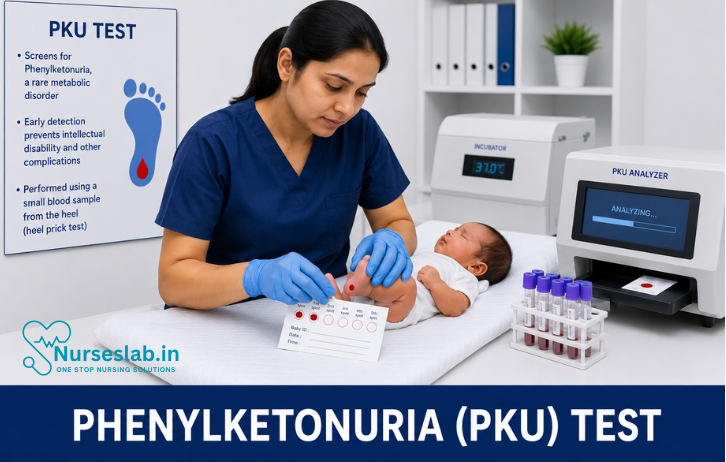
The most common method for PKU screening is the heel-prick test, also known as the Guthrie test. A few drops of capillary blood are collected from the newborn’s heel onto a special filter paper card (Guthrie card). The dried blood spot is then sent to a specialised laboratory for analysis.
Laboratory Analysis
Phenylalanine levels in the blood sample are measured using methods such as fluorometric analysis, tandem mass spectrometry (MS/MS), or the original bacterial inhibition assay. Modern newborn screening panels often employ MS/MS, which allows simultaneous detection of multiple inborn errors of metabolism, including PKU, with high sensitivity and specificity.
It is essential that the test is conducted in accredited laboratories with strict quality control measures to ensure accurate, reliable results.
Interpretation of Results: Normal vs Abnormal Findings
Interpreting PKU test results requires understanding of reference ranges and the potential for false positives or negatives.
Normal Results
A typical reference range for blood phenylalanine is 0.5–2 mg/dL (30–120 μmol/L). Values within this range are considered normal, and the newborn is presumed not to have PKU.
Abnormal Results
Elevated blood phenylalanine levels (usually >2 mg/dL or 120 μmol/L) suggest possible PKU. However, transient elevations can occur due to prematurity, parenteral nutrition, or hepatic immaturity, necessitating confirmatory testing.
In cases where phenylalanine levels are markedly elevated and accompanied by low or normal tyrosine levels, the suspicion for classic PKU is high. Mild elevations may indicate variant forms such as mild hyperphenylalaninaemia or tetrahydrobiopterin (BH4) deficiency.
Confirmatory Testing
Abnormal screening results must be followed by quantitative plasma amino acid analysis to confirm the diagnosis. Additional tests, including genetic analysis of the PAH gene, may be performed to identify the specific mutation and to distinguish PKU from other causes of hyperphenylalaninaemia.
Implications of Positive Results: Next Steps and Genetic Counselling
A positive PKU screen is a medical emergency that requires immediate action. The following steps are undertaken upon identification of elevated phenylalanine levels:
- Immediate referral to a metabolic specialist or paediatrician experienced in the management of inborn errors of metabolism.
- Initiation of confirmatory biochemical and genetic tests.
- Commencement of dietary management, even before confirmatory results, if phenylalanine levels are significantly elevated.
- Comprehensive family education regarding the disorder, its inheritance patterns, and the importance of adherence to treatment.
- Genetic counselling for parents to discuss recurrence risk in future pregnancies and carrier testing for other family members.
Prompt action is vital, as neurological damage can begin within weeks if phenylalanine levels remain uncontrolled.
Treatment and Management: Dietary Interventions and Long-term Monitoring
The cornerstone of PKU management is lifelong dietary restriction of phenylalanine, which is found in high-protein foods such as milk, eggs, meat, and certain grains. Special medical formulas are used to provide adequate nutrition while avoiding phenylalanine overload.
Key elements of PKU treatment include:
- Low-phenylalanine diet: The diet is carefully calculated based on the individual’s tolerance, which may vary depending on the severity of enzyme deficiency.
- Specialised medical foods: These are phenylalanine-free protein substitutes enriched with essential amino acids, vitamins, and minerals.
- Regular monitoring: Frequent blood phenylalanine assessments are necessary, especially during infancy and childhood, to ensure levels remain within the therapeutic target range (usually 2–6 mg/dL or 120–360 μmol/L).
- Multidisciplinary care: A team comprising paediatricians, dietitians, metabolic specialists, and psychologists is essential for comprehensive management.
- Support and education: Ongoing counselling and education for patients and families help promote adherence to dietary recommendations and address psychosocial challenges.
Recent advances have introduced adjunct pharmacological therapies, such as sapropterin dihydrochloride (a synthetic form of BH4), which may benefit some patients with residual enzyme activity.
Importance of Early Detection: Outcomes and Prevention of Complications
Early detection through newborn screening is the most effective strategy for preventing the severe consequences of untreated PKU. When dietary management is initiated promptly, children with PKU can achieve normal cognitive development and lead healthy lives.
Delayed diagnosis or poor metabolic control, on the other hand, results in irreversible intellectual disability, microcephaly, behavioural disturbances, eczema, and, in severe cases, seizures and psychiatric disorders. Maternal PKU, where an affected woman is not on dietary treatment during pregnancy, poses additional risks, including microcephaly, congenital heart disease, and growth retardation in the foetus.
Therefore, robust newborn screening programmes, parental education, and health system support are critical to ensuring optimal outcomes.
Ethical and Social Considerations
Newborn screening for PKU raises important ethical and social questions. While the benefits of early detection and intervention are well established, considerations include:
- Informed consent: Parents should be adequately informed about the purpose, benefits, and limitations of newborn screening, including the possibility of false positives and the need for further testing.
- Privacy and confidentiality: Genetic information and screening results must be handled with strict confidentiality to prevent discrimination and stigma.
- Psychosocial impact: A positive diagnosis can cause significant emotional distress for families. Support services and genetic counselling are essential to help families cope with the implications and to facilitate informed decision-making regarding future pregnancies.
- Equity and access: Ensuring all newborns, regardless of socioeconomic status or geographic location, have access to high-quality screening and follow-up care is a public health imperative.
Nursing Care of Patients Undergoing Phenylketonuria (PKU) Test
Comprehensive Guide for Nursing Professionals
Introduction
Phenylketonuria (PKU) is a rare but significant inherited metabolic disorder that affects the body’s ability to process the amino acid phenylalanine. Early identification through PKU testing is vital for preventing irreversible neurological damage and ensuring optimal growth and development. Nurses are central to the entire PKU screening process, providing technical expertise, empathetic care, and education to patients and families. This comprehensive guide details the nursing responsibilities at every stage of the PKU testing process, from initial assessment to long-term management, equipping nursing professionals and students with the knowledge and skills required for effective patient care.
Understanding Phenylketonuria and the PKU Test
Pathophysiology of PKU
PKU is caused by a deficiency or absence of the enzyme phenylalanine hydroxylase, which is essential for converting phenylalanine into tyrosine. When phenylalanine accumulates, it becomes toxic to the brain, leading to intellectual disability, developmental delays, behavioural problems, and other health complications if not managed appropriately. The disorder is inherited in an autosomal recessive pattern, which means both parents must be carriers for the child to be affected.
Test Timing and Procedure
PKU screening is a routine component of newborn care, typically conducted between 24 to 72 hours after birth. The test involves obtaining a small blood sample from the infant’s heel—a process known as the heel-prick test. In some cases, older children or adults may also be tested if clinical symptoms suggest PKU. The blood sample is analysed to measure phenylalanine levels, with further confirmatory testing if results are abnormal.
Nursing Responsibilities Before the PKU Test
Patient Assessment
Nurses should begin by reviewing the patient’s medical history, family history of metabolic disorders, and any prenatal risk factors that might suggest increased likelihood of PKU. It is essential to assess the infant’s overall health and readiness for the procedure, including any current infections or bleeding disorders that may affect sample collection.
Preparation and Consent
Preparation involves ensuring the necessary equipment is available and sterile, such as lancets, blood collection cards, gloves, and antiseptics. Nurses must verify the timing of the test to ensure it falls within the recommended window after birth. Obtaining informed consent from the parents or guardians is a critical step. This includes explaining the purpose of the test, its procedure, potential risks, and the implications of the results in clear, understandable language. Addressing parental concerns and answering queries promptly helps foster trust and cooperation.
Communication
Effective communication is key. Nurses should inform parents about the test, why it is necessary, and what will happen during the procedure. Providing written materials or visual aids may enhance understanding, especially for families with limited medical knowledge or language barriers. Establishing a supportive, reassuring environment is essential for reducing anxiety and facilitating cooperation.
Nursing Responsibilities During the PKU Test
Technical Aspects
During the heel-prick procedure, nurses must adhere to strict infection control protocols. This includes proper hand hygiene, using sterile gloves, and disinfecting the infant’s heel before sampling. The lancet should be used carefully to minimise pain and avoid excessive tissue damage. Blood spots must be collected on the designated filter paper, ensuring adequate sample volume and proper drying to prevent sample rejection.
Patient Comfort
Minimising discomfort is a priority. Nurses can employ strategies such as swaddling the infant, offering a pacifier, or allowing skin-to-skin contact with the parent during the procedure. Prompt, gentle handling and soothing measures can help reduce distress for both the infant and the family. Observing the infant’s response and intervening if excessive crying or bleeding occurs is important.
Documentation
Accurate documentation is critical. Nurses should record the date and time of sample collection, the infant’s details, test site, and any adverse reactions. Proper labelling and handling of the blood spot card are essential for ensuring timely and accurate laboratory analysis. Any deviations from protocol must be noted and communicated to the healthcare team.
Nursing Responsibilities After the PKU Test
Monitoring and Managing Complications
After the test, nurses must monitor the infant for bleeding, infection, or excessive bruising at the puncture site. Any abnormal findings should be addressed promptly, and appropriate interventions initiated. Parents should be taught to observe the site and report any concerns. In rare cases, infants may develop localised infections or prolonged bleeding, necessitating further medical attention.
Reporting Results
Timely communication of test results is essential. Nurses should liaise with laboratory personnel to track sample processing and ensure prompt reporting. If results indicate elevated phenylalanine levels, nurses must notify the physician and initiate follow-up protocols. Clear, accurate communication with the family regarding the results and next steps is crucial.
Patient and Family Education
Explaining PKU and the Test
Nurses play a vital role in educating parents and families about PKU, its implications, and the importance of early detection. Information should be provided in simple, non-technical language, supplemented with written materials or reputable online resources. Key points include the nature of PKU, potential health consequences, and the necessity of lifelong management if diagnosed.
Significance of the Test and Next Steps
It is important to explain that PKU screening is a preventive measure, not a diagnosis. Families must understand that abnormal results require confirmatory testing before a definitive diagnosis is made. Nurses should outline the steps involved in further evaluation, such as repeat blood tests or genetic counselling, and reassure families about the availability of effective treatments.
Dietary Management Overview
If PKU is confirmed, dietary management becomes the cornerstone of treatment. Nurses should introduce the concept of a low-phenylalanine diet, which involves restricting high-protein foods and using special medical formulas. Families should be encouraged to consult a dietician for detailed meal planning and ongoing nutritional support. Emphasising the importance of adherence to dietary recommendations helps prevent complications and supports optimal development.
Emotional Support
Addressing Anxiety and Providing Reassurance
Undergoing PKU testing can be a source of considerable anxiety for families, particularly if there is a history of metabolic disorders or previous adverse outcomes. Nurses must acknowledge and validate these concerns, providing empathetic support and reassurance. Active listening, calm demeanour, and clear explanations help alleviate fears and foster a sense of control.
Supporting Families
Support extends beyond the technical aspects of care. Nurses should be prepared to offer guidance on coping strategies, connect families with support groups, and provide information about community resources. For families receiving a PKU diagnosis, ongoing psychological support is essential, as the prospect of lifelong dietary management and frequent medical monitoring can be overwhelming.
Follow-Up and Long-Term Management
Coordinating Care
Nurses are integral to the coordination of multidisciplinary care, which may involve paediatricians, dieticians, genetic counsellors, and social workers. Scheduling follow-up appointments, facilitating communication among team members, and ensuring continuity of care are key responsibilities.
Dietary Management and Monitoring
Long-term management of PKU centres on maintaining safe phenylalanine levels through dietary control. Nurses should educate families about monitoring blood phenylalanine levels, recognising signs of dietary non-compliance, and responding to illness or changes in nutritional needs. Regular follow-up visits for blood tests and developmental assessments are necessary to track progress and adjust treatment plans as needed.
Ongoing Support and Advocacy
Nurses should advocate for the needs of children and families affected by PKU, promoting access to specialised formulas, nutritional supplements, and educational accommodations. Providing up-to-date information on advances in PKU management and connecting families with relevant organisations ensures they receive comprehensive support throughout the lifespan.
Conclusion
The nursing role in PKU testing and management is multifaceted, encompassing clinical expertise, patient education, emotional support, and care coordination. By adhering to best practices and maintaining a compassionate, patient-centred approach, nurses can significantly improve outcomes for individuals with PKU and their families. Continued professional development and collaboration within the multidisciplinary team are essential for delivering high-quality care and supporting lifelong health and wellbeing.
REFERENCES
- Eunice Kennedy Shriver National Institute of Child Health and Human Development (U.S.). Phenylketonuria (PKU) (https://www.nichd.nih.gov/health/topics/pku). Last reviewed 1/16/2024.
- Merck Manual (Consumer Version). Phenylketonuria (PKU) (https://www.merckmanuals.com/home/children-s-health-issues/hereditary-metabolic-disorders/phenylketonuria-pku). Last modified 4/2025.
- National Health Service (UK). Phenylketonuria (https://www.nhs.uk/conditions/phenylketonuria/). Last reviewed 4/4/2023.
- National Library of Medicine (U.S.). Phenylketonuria (https://medlineplus.gov/genetics/condition/phenylketonuria/). Last updated 4/25/2023.
- National Organization for Rare Disorders (U.S.). Phenylketonuria (https://rarediseases.org/rare-diseases/phenylketonuria/). Last updated 5/8/2025. Accessed 7/14/2025.
- Stone WL, Basit H, Los E. Phenylketonuria (https://pubmed.ncbi.nlm.nih.gov/30570999/). 2023 Aug 8. In: StatPearls [Internet]. Treasure Island (FL): StatPearls Publishing; 2025 Jan.
- Talebi S, Eshraghi P. Nutrition in phenylketonuria (https://pubmed.ncbi.nlm.nih.gov/39427751/). Clin Nutr ESPEN. 2024 Dec;64:307-313.
Stories are the threads that bind us; through them, we understand each other, grow, and heal.
JOHN NOORD
Connect with “Nurses Lab Editorial Team”
I hope you found this information helpful. Do you have any questions or comments? Kindly write in comments section. Subscribe the Blog with your email so you can stay updated on upcoming events and the latest articles.


